Chimney Crown Repair & Replacement — Annapolis, MD
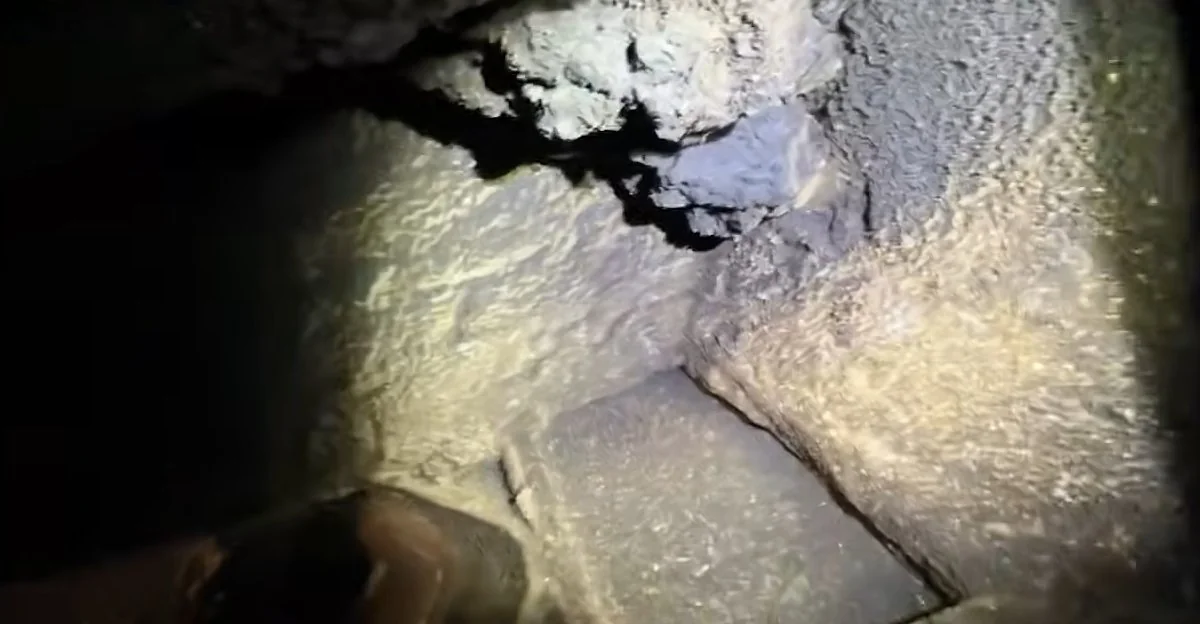
The chimney crown is the first line of defense against Chesapeake Bay weather. A cracked or spalled crown allows rainwater to infiltrate the flue, freeze and expand in winter, and accelerate masonry deterioration from the top down. Annapolis Chimney Pros connects you with MHIC-licensed specialists who repair or replace crowns using polymer-modified mortar engineered for Maryland’s freeze-thaw cycles.
(667) 493-2060 — Free Crown AssessmentWhat the Chimney Crown Does — and Why It Fails
The chimney crown is a concrete or mortar slab that covers the top of the chimney, leaving only the flue opening exposed. It sheds water away from the brick and mortar below the roofline. Without a sound crown, rainwater enters the flue-to-masonry joint — the highest-stress point on the chimney — and begins the freeze-thaw spalling cycle.
Surface cracks under 1/4 inch. Repaired with waterproof elastomeric crown sealant applied to clean, dry surface. Prevents progression; least expensive intervention.
Cracks wider than 1/4 inch or cracks through the full crown depth. Requires partial or full crown removal and replacement with polymer-modified mortar mix.
Crown has broken away or is missing sections. Water entry has begun masonry damage below. Full replacement required. Assess underlying brick and mortar for additional repair scope.
Annapolis Climate and Crown Deterioration
Annapolis averages 32 freeze-thaw cycles per year — the USDA hardiness zone 7b boundary runs directly through Anne Arundel County. Each cycle forces water that has infiltrated crown cracks to expand 9% by volume as it freezes, widening existing cracks by approximately 0.1mm per cycle. A hairline crown crack present in October can become a structural failure by March without intervention.
Chesapeake Bay humidity compounds the problem. Relative humidity of 75–80% from May through September means masonry never fully dries out. Constant moisture saturation weakens the bond between crown mortar and brick, particularly on waterfront properties in Eastport and Bay Ridge where salt ions from tidal air infiltrate porous mortar joints.
Symptoms of Crown Failure
- Visible cracks across the crown surface (seen from the ground with binoculars)
- White mineral staining (efflorescence) on chimney face below the crown
- Spalled or missing brick at the chimney’s shoulder — just below crown level
- Water staining on ceiling or walls near the fireplace after rain
- Mortar joints eroding faster at the top two courses than lower down
- Chimney cap sitting at an angle (crown has shifted)
Why Generic Mortar Fails
Standard type-N mortar (the kind used for general brickwork) is not appropriate for chimney crown construction. It lacks the flexibility and water resistance required for a horizontal surface exposed to thermal cycling. A properly mixed crown uses a polymer-modified Portland cement formulation that flexes slightly with temperature changes rather than cracking at the first freeze.
Many Annapolis homeowners have had crowns rebuilt with the wrong mortar mix — it fails within 2–3 seasons. Ask your specialist for the mortar specification by name before work begins.
Crown Repair vs. Crown Replacement — Cost Guidance
| Service | Typical Range | When Appropriate |
|---|---|---|
| Elastomeric sealant application | $160 – $350 | Hairline cracks only; crown otherwise structurally sound |
| Partial crown repair | $300 – $600 | One section cracked through; surrounding crown solid |
| Full crown replacement | $160 – $1,500 | Structural cracking throughout or crown has failed sections |
| Crown replacement + brick repair | $600 – $2,500 | Water infiltration has damaged top 2–3 brick courses |
Source: Angi Cost Guides 2024; HomeYou Annapolis regional data. Anne Arundel County scaffolding or lift costs additional for high chimneys.
Local Crown Scenarios in Anne Arundel County
Lime Mortar Crown Compatibility
18th-century Annapolis chimneys require lime-based mortar throughout — including the crown. Portland cement crowns poured over lime-mortar brick create differential movement that accelerates joint failure. Historic Preservation Commission guidelines also specify that replacement materials must match original in composition and color.
Salt-Air Crown Degradation
Waterfront properties within a quarter mile of the Chesapeake Bay or Severn River show accelerated crown deterioration due to salt crystal formation in pores. Salt-resistant polymer-modified mortar and an elastomeric sealer topcoat extend service life significantly in these zip codes (21403, 21409).
Original Crowns Past Service Life
Homes built in Arnold (21012), Severna Park (21146), and Parole (21401) during the postwar building boom typically have original crowns 40–60 years old. These are well past their design life and show the full-depth cracking characteristic of Stage 2–3 failure. Replacement rather than repair is the correct scope for these properties.
Frequently Asked Questions — Chimney Crown Annapolis
Can I seal a chimney crown myself?
Elastomeric sealant products like CrownCoat can be applied by a careful homeowner to a crown with only hairline cracks. However, any crown with structural cracking — cracks wider than 1/4 inch or through-cracks — requires professional assessment and proper mortar repair before sealing. Sealing over a structurally compromised crown traps moisture and accelerates failure.
How long does a rebuilt crown last?
A properly constructed polymer-modified mortar crown with an elastomeric sealer topcoat typically lasts 15–20 years in Annapolis conditions. Reapplication of the elastomeric sealer every 5–7 years extends life to the full range. Plain Portland cement crowns without sealant average 7–10 years before structural cracking.
Is a chimney crown the same as a chimney cap?
No. The crown is the concrete or mortar slab covering the top of the chimney structure. The cap is the metal cover that sits over the flue opening in the crown. Both are needed: the crown protects the masonry; the cap protects the flue from rain, animals, and debris. They are separate components and priced separately.
Does crown repair require an MHIC license in Maryland?
Yes. Any masonry repair work in Maryland, including chimney crown repair or replacement, requires an MHIC (Maryland Home Improvement Commission) license. Ask for the contractor’s MHIC number and verify it at mhic.maryland.gov before work begins.
Schedule a Crown Assessment
Annapolis Chimney Pros connects you with MHIC-licensed crown specialists serving Annapolis, Eastport, Arnold, Severna Park, Parole, and all of Anne Arundel County. Camera inspection included with every crown evaluation.
(667) 493-2060 — Call Now