Annapolis, MD Chimney Services
Chimney Flashing Repair in Annapolis, MD
Failed chimney flashing is the #1 cause of roof leaks around chimneys in Annapolis. Salt air, thermal expansion, and Bay-area storms make flashing the most frequently failing chimney component—and the one most often misdiagnosed. Serving Anne Arundel County.
Why Flashing Fails in Annapolis
The Bay Environment Is Exceptionally Hard on Chimney Flashing
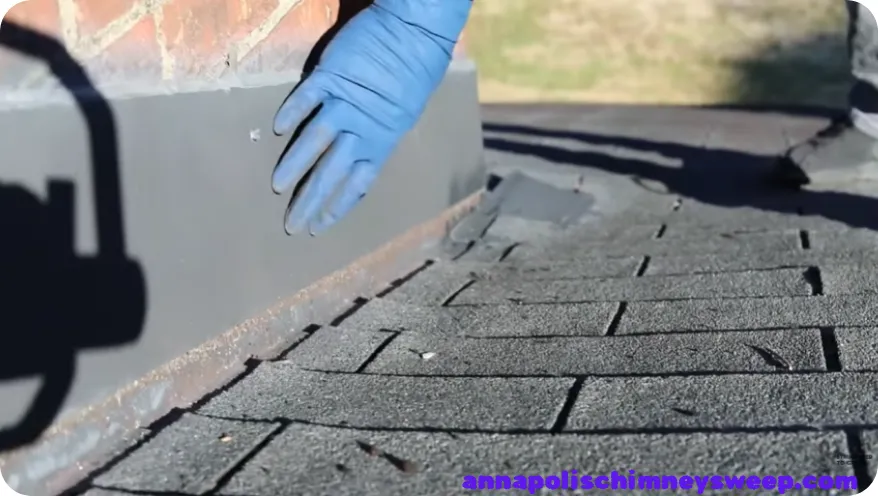
Chimney flashing seals the joint between the chimney structure and the roof deck. This joint is inherently vulnerable because the chimney and roof are two separate structures that expand and contract at different rates in response to temperature changes. In Annapolis, where temperatures swing 80°F between summer and winter and salt air accelerates corrosion of galvanized steel, standard flashing has a lifespan of 15–20 years at best.
The two most common failure modes in Annapolis: (1) the caulked counter-flashing joint separates as the chimney and roof move independently, and (2) galvanized base flashing corrodes through. Both look the same from inside the home—water stains on the ceiling or around the chimney breast.
🌊 Salt Air Corrosion
Within 3 miles of the Bay, galvanized steel flashing corrodes in as little as 8–12 years. Stainless steel or lead flashing is the appropriate specification for coastal Annapolis properties.
🌡️ Thermal Movement
The chimney moves differently than the roof deck through temperature cycles. Rigid caulked joints crack. Proper step flashing with counter-flashing accommodates this movement—caulk alone never does.
🌧️ Bay Storms
Nor’easters and occasional tropical remnants drive rain horizontally against the chimney-roof joint. Standard step flashing installed for normal rain may not be adequate for Annapolis’s storm exposure.
Flashing Types
Flashing Materials Appropriate for the Annapolis Area
| Material | Coastal Lifespan | Cost | Notes |
|---|---|---|---|
| Lead Flashing | 50+ years | Premium | Traditional choice for Historic District; naturally forms patina that resists salt air; malleable for complex profiles |
| Stainless Steel (304/316) | 40–60 years | High | Best modern choice for Bay-area exposure; 316 grade recommended within 2 miles of tidewater |
| Copper | 50+ years | High | Excellent corrosion resistance; develops patina; may be required by Historic Preservation Commission on historic structures |
| Galvanized Steel | 8–15 years coastal | Standard | Adequate for inland applications; not recommended for Annapolis waterfront and near-Bay properties |
| Aluminum | 10–20 years | Low | Lightweight, affordable; degrades faster near salt air than steel; acceptable for budget repairs away from tidewater |
Proper Installation
What Correct Chimney Flashing Looks Like
Two-Part System: Step + Counter
Correct flashing uses interlocking step flashing (woven into each roof course) plus counter-flashing mortared or mechanically fastened into the chimney reglet. This two-piece system allows movement. Caulk applied to a single-piece flat sheet is not flashing—it’s a temporary patch.
Saddle (Cricket) for Wide Chimneys
Any chimney wider than 30″ on the high-slope side requires a saddle (cricket)—a peaked mini-roof that diverts water around the chimney. Without it, water pools against the upslope face. Many Annapolis homes have chimneys without saddles, creating chronic leak points.
Counter-Flashing Embedment
Counter-flashing must be embedded into a reglet (cut slot) in the mortar joint—not just surface-caulked to the brick face. Surface-caulked counter-flashing fails within 3–5 years as the sealant degrades.
The Sealant Exception
The only appropriate use of sealant in chimney flashing is at the reglet itself (after the counter-flashing is embedded) to seal the cut. Everything else should be mechanically fastened sheet metal with overlapping joints—never caulk alone.
⚠️ Flashing Repair Requires MHIC Licensure
Chimney flashing repair is home improvement work requiring an MHIC license in Maryland. Roofers can replace step flashing, but chimney-specific counter-flashing that interacts with the masonry requires chimney expertise. Before hiring:
- Verify MHIC license at mhic.maryland.gov
- Ask what flashing material is being used—specify stainless or lead for coastal Annapolis, not galvanized
- Get a written scope distinguishing step flashing, counter-flashing, and saddle (if applicable)
- Confirm the counter-flashing is being embedded into a mortar reglet, not surface-caulked
- Ask about a water test after installation to confirm the repair sealed the leak before the crew leaves
Frequently Asked Questions
Chimney Flashing FAQs — Annapolis
How do I know if my chimney leak is from flashing or something else?
Flashing leaks typically appear as water stains on the ceiling or wall directly adjacent to the chimney, often visible after rain but not after dry periods. Crown or liner leaks typically put water in the firebox itself. Condensation leaks (from a poorly sized liner) often appear as rust staining inside the firebox. A professional inspection with a water test—deliberately saturating suspect areas while someone watches inside—is the most reliable diagnostic.
How long does chimney flashing repair last?
Properly installed stainless or lead counter-flashing embedded into reglet-cut mortar joints lasts 30–60 years in Annapolis conditions. Surface-patched or caulk-only repairs may last 2–5 years before failing again. The material and method matter more than the brand or contractor on this repair.
Can I seal chimney flashing with tar or roofing cement?
Tar and roofing cement are commonly used as quick patches and typically last 1–3 years before shrinking and cracking. They’re a temporary measure, not a repair. A proper flashing repair replaces the failed sheet metal with correctly installed step and counter-flashing. Repeated tar applications also make proper future repair more difficult by obscuring the original flashing profile.
Does a new roof mean new chimney flashing?
New step flashing should always be installed with a new roof—it’s integrated into the roofing layers. However, new counter-flashing is not always included in a roofing contract and may need to be specified separately. If your roofer is not experienced with chimney counter-flashing, have a chimney professional coordinate or complete that portion of the work.
Find Your Chimney Leak Before It Ruins Your Ceiling
We connect Annapolis homeowners with MHIC-licensed chimney professionals for flashing inspections, leak diagnosis, and proper counter-flashing repair.
Get a Free Leak Assessment →Related services: waterproofing, masonry repair
Areas where we most often perform flashing repair: Eastport, Annapolis Neck, Historic District — and throughout Annapolis and Anne Arundel County.