Creosote Removal — Annapolis, MD
Creosote is the combustion byproduct that makes chimney fires possible. Annapolis Chimney Pros connects you with CSIA-certified specialists who assess your flue’s accumulation level, apply the correct removal method for each stage, and document the result — so you know exactly what was in your flue and that it’s gone.
(667) 493-2060 — Creosote AssessmentThe Three Stages of Creosote — and What Each Requires
Creosote forms when wood combustion gases cool before exiting the flue, leaving a condensate on the liner surface. The stage it reaches depends on the wood species, moisture content, burn temperature, and how long accumulation has been left untreated. Stage determines the removal method and cost.
Dusty / Flaky Deposits
Light gray or black powdery deposit. Forms with hot, dry fires and well-seasoned wood. Removed by standard rotary brushing during annual sweep. This is the target condition for all Annapolis fireplaces at the annual cleaning.
Removal: Standard brushing — $130–$150Brittle / Crunchy Tar
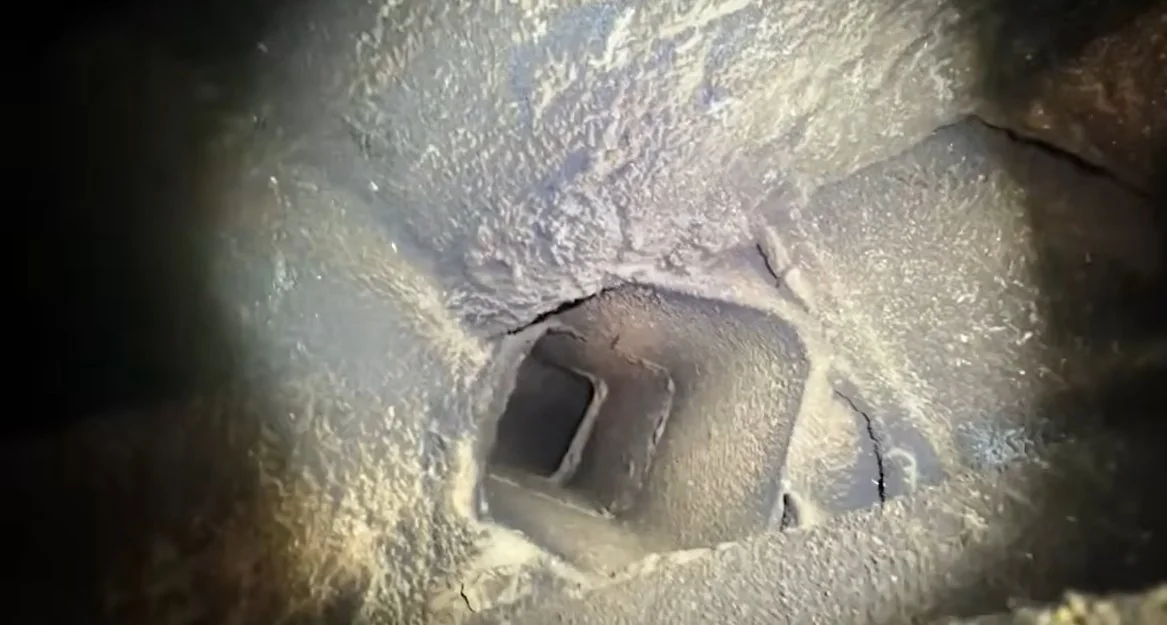
Shiny, hard crust formed from repeated thermal cycling of Stage 1. Cannot be fully removed by standard brushing alone. Requires rotary power brushing or chemical spray pre-treatment to soften before mechanical removal. Common in Annapolis homes where the fireplace is used occasionally but not swept annually.
Removal: Chemical + power brush — $200–$500Glazed Tar (Drips)
Dense, shiny, tar-like coating that has flowed and hardened. Extremely difficult to remove mechanically — it has penetrated clay tile joints and bonds to the liner surface. Full chemical treatment over multiple visits, or liner abandonment and relining, is usually required. Stage 3 is the primary cause of flue fires that exceed 2,000°F.
Removal: Chemical treatment or relining — $500–$2,500+Why Annapolis Chimneys Accumulate Creosote Faster
Chesapeake Bay Humidity Effect
Wood stored outdoors in Anne Arundel County absorbs Chesapeake Bay humidity — 75–80% relative humidity May through September. Firewood cut in spring and burned in fall of the same year retains moisture content above 20%, which is the threshold where creosote formation accelerates dramatically. Only kiln-dried or properly seasoned hardwood (12 months split and stacked) burns at temperatures sufficient to minimize Stage 2 progression.
Intermittent Use Pattern
The coastal Maryland climate means most Annapolis fireplace owners use their fireplaces 15–30 times per season — enough to accumulate Stage 2 creosote over 2–3 seasons without annual sweeping, but not enough to burn at consistently high temperatures that limit accumulation. The worst creosote cases we see are in homes that use the fireplace occasionally and have not had a sweep in 3+ years.
Creosote Removal Services — Annapolis Pricing (2024)
| Service | Typical Range | When Required |
|---|---|---|
| Standard sweep (Stage 1 removal) | $130 – $150 | Annual maintenance; dusty/flaky deposits |
| Chemical treatment — Stage 2 | $200 – $400 | Brittle tar that doesn’t brush away |
| Rotary power brush system | $250 – $500 | Heavy Stage 2; multiple passes required |
| Stage 3 chemical treatment (single visit) | $400 – $800 | First chemical softening application |
| Stage 3 multi-visit treatment | $800 – $2,500 | Severe glazed tar; 2–4 treatment visits |
| Stage 3 relining (liner replacement) | $2,500 – $7,000 | When tar has penetrated tile joints; relining preferred over removal |
How to Prevent Stage 2 and Stage 3 Formation
Seasoned Hardwood Only
Oak, hickory, and ash hardwoods split and stacked for 12+ months in Annapolis conditions (not in a closed garage where humidity stagnates) burn at temperatures above 300°F — the threshold where most creosote deposits remain dry and flaky rather than condensing into Stage 2 tar. Avoid softwoods (pine, cedar, fir) and green or wet wood entirely.
Hot, Short Burns vs. Smoldering
A smoldering, low-temperature fire produces dramatically more creosote per cord than a hot fire with good draft. Use smaller loads of well-seasoned wood and maintain active draft by keeping the damper fully open. Never restrict airflow to extend burn time — the creosote cost of smoldering fires vastly exceeds the wood savings.
Don’t Let Stage 1 Become Stage 2
The transition from Stage 1 (flaky, cheap to remove) to Stage 2 (hard tar, chemical treatment needed) happens over approximately 2 seasons of use without sweeping. Annual sweeping at $130–$150 is the most cost-effective intervention. A 3-year deferred sweep can generate a $400–$800 Stage 2 treatment bill instead.
Frequently Asked Questions — Creosote Removal Annapolis
Can I use creosote removal logs (Duraflame creosote sweeping logs) instead of professional removal?
Creosote sweeping logs contain a chemical that converts Stage 1 deposits to a dry, more easily brushed form. They are not a substitute for professional brushing — they’re a between-sweep maintenance product at best. For Stage 2 or Stage 3 deposits, chemical sweeping logs have no meaningful effect. The Chimney Safety Institute of America does not recommend them as a replacement for professional sweeping.
How do I know what stage my creosote is at?
Stage 1 is powdery and rubs off on your finger when touched at the smoke shelf. Stage 2 is shiny and hard — it doesn’t rub off. Stage 3 is drip-patterned, shiny, and has a tar-like appearance. Without entering the flue, you can observe the smoke shelf condition through the damper opening. A CSIA-certified sweep’s camera inspection is the definitive assessment tool.
Is Stage 3 creosote an immediate fire hazard?
Yes. Stage 3 creosote is the primary fuel for the chimney fires that cause the most severe structural damage. It burns at temperatures above 2,000°F, far exceeding the design limits of most chimney liners. A flue with identified Stage 3 deposits should not be used until treatment is complete and a camera scan confirms the flue is safe.
Schedule a Creosote Assessment
Annapolis Chimney Pros connects you with CSIA-certified creosote removal specialists serving Annapolis, Eastport, Arnold, Severna Park, Riva, Hillsmere Shores, and all of Anne Arundel County. Camera inspection included with every creosote evaluation.
(667) 493-2060 — Call Now